Guides › Legality
Registering to sell your milk: the UK form, demystified
The scariest sentence in this whole subject is "you must register as a food business." So let's take the fear out of it: one free form, about twenty minutes, and nobody has the power to refuse you. Put the kettle on and read this once – you'll never need it again.
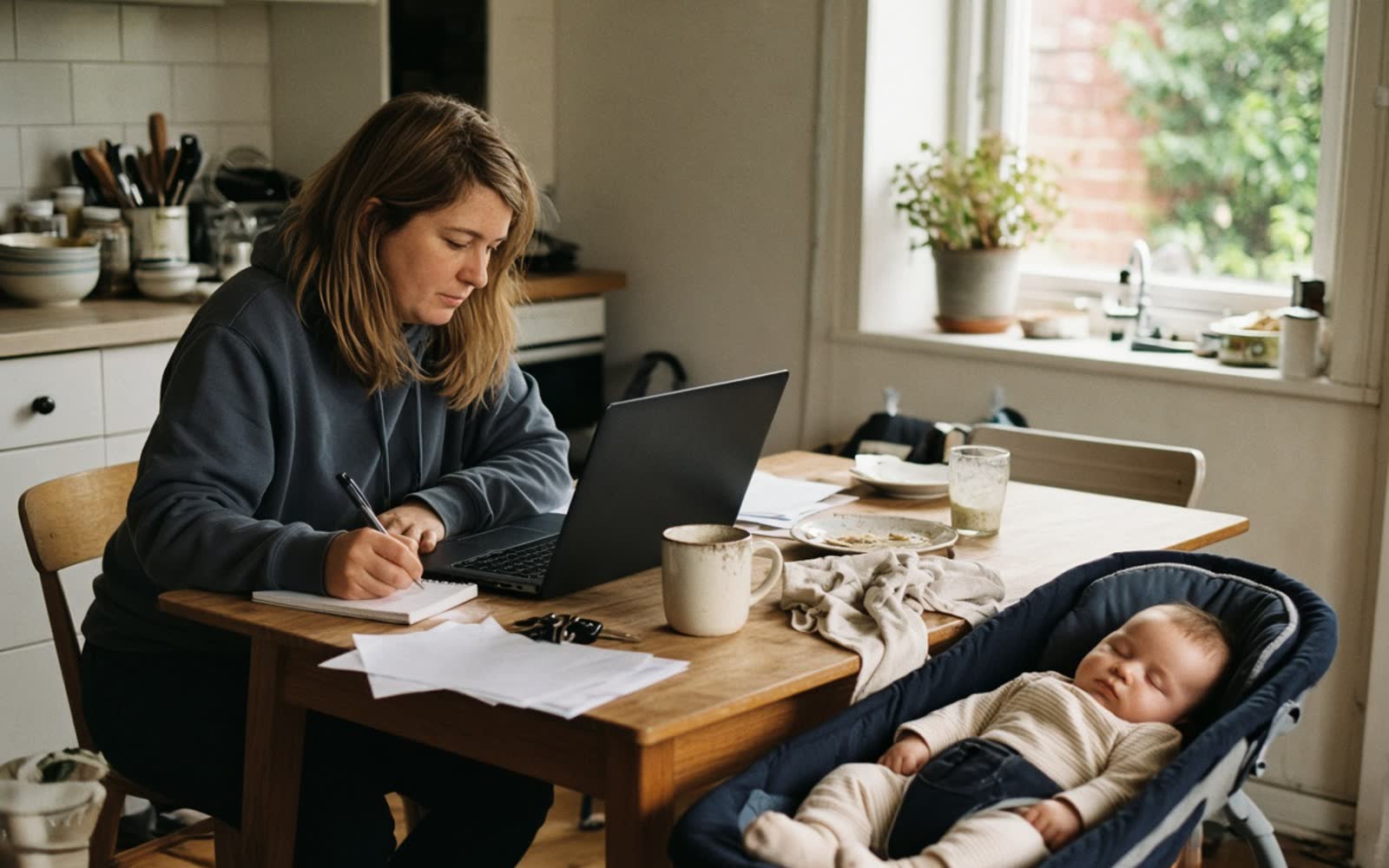
The short answer: if you plan to sell your milk in the UK more than once, register as a food business with your local council. It is free, it takes about twenty minutes, there is no test and no inspection to pass first, and the council has no power to refuse you.
Do it at least 28 days before you start trading. Search GOV.UK for “register a food business”, enter your postcode, and it forwards you to your own council’s form. In the US there is nothing to register.
Who actually needs to register
UK law says anyone selling food "regularly and as an organised activity" must register with their local council – even from home, even online. A mother selling her spare milk most months is a tiny home food business in the law's eyes, and lands in the same drawer of paperwork as the neighbour who sells sourdough or does birthday cakes on the side.
One honest nuance: clearing out a single freezer stash, once, isn't really "running a food business" in any ordinary reading of those words. Regularly is the word that matters there. But since the form is free and takes twenty minutes, our advice is boring on purpose: if you plan to sell at all, register anyway, then never think about it again.
What registration is – and what it isn't
It is not a licence. It is not a test. Nobody assesses your kitchen before you may begin, nobody charges a fee, and the council cannot turn you down – refusing a registration isn't a power they have. You are simply telling them you exist. Tens of thousands of home bakers, jam-makers and cake decorators file the same form every year and get on with their lives.
The twenty minutes, step by step
- 1. Find your council's form. Search GOV.UK for "register a food business", type in your postcode, and it forwards you to your own council's version. (In Scotland the same journey starts at Food Standards Scotland and still ends at your local council.)
- 2. Fill in the basics. Who you are, where you live, what you do. There are no trick questions and no wrong answers that sink you.
- 3. The "nature of business" box. Plain words, in your own voice: "Sale of my own expressed breast milk, frozen at home and sold online – posted or collected locally." Don't dress it up and don't hide it; the honest sentence is the correct one.
- 4. Mind the clock. Registration is supposed to happen at least 28 days before you start trading. Easiest fix: register the day you decide to sell, and the waiting is over before your first bag is even spoken for.
- 5. Keep the confirmation email. That's it. You are now, officially, a registered food business – which sounds grand for twenty minutes' work, and is meant to.
What happens afterwards
Usually: not much, quietly. The council's environmental health team may get in touch, and may arrange a visit so they can give you a food hygiene rating. Home-based, low-risk businesses get the light-touch version, and the visit is best treated as free coaching from someone who looks at kitchens for a living. A good rating is then yours to show off – on MilkMom it will sit on your profile, where it's a selling point no photograph can fake.
The overachiever move, warmly recommended: a Level 2 Food Hygiene certificate. Around £15, done online in an afternoon, never required – and it tells buyers you took a Saturday to learn the craft properly.
The one hard edge
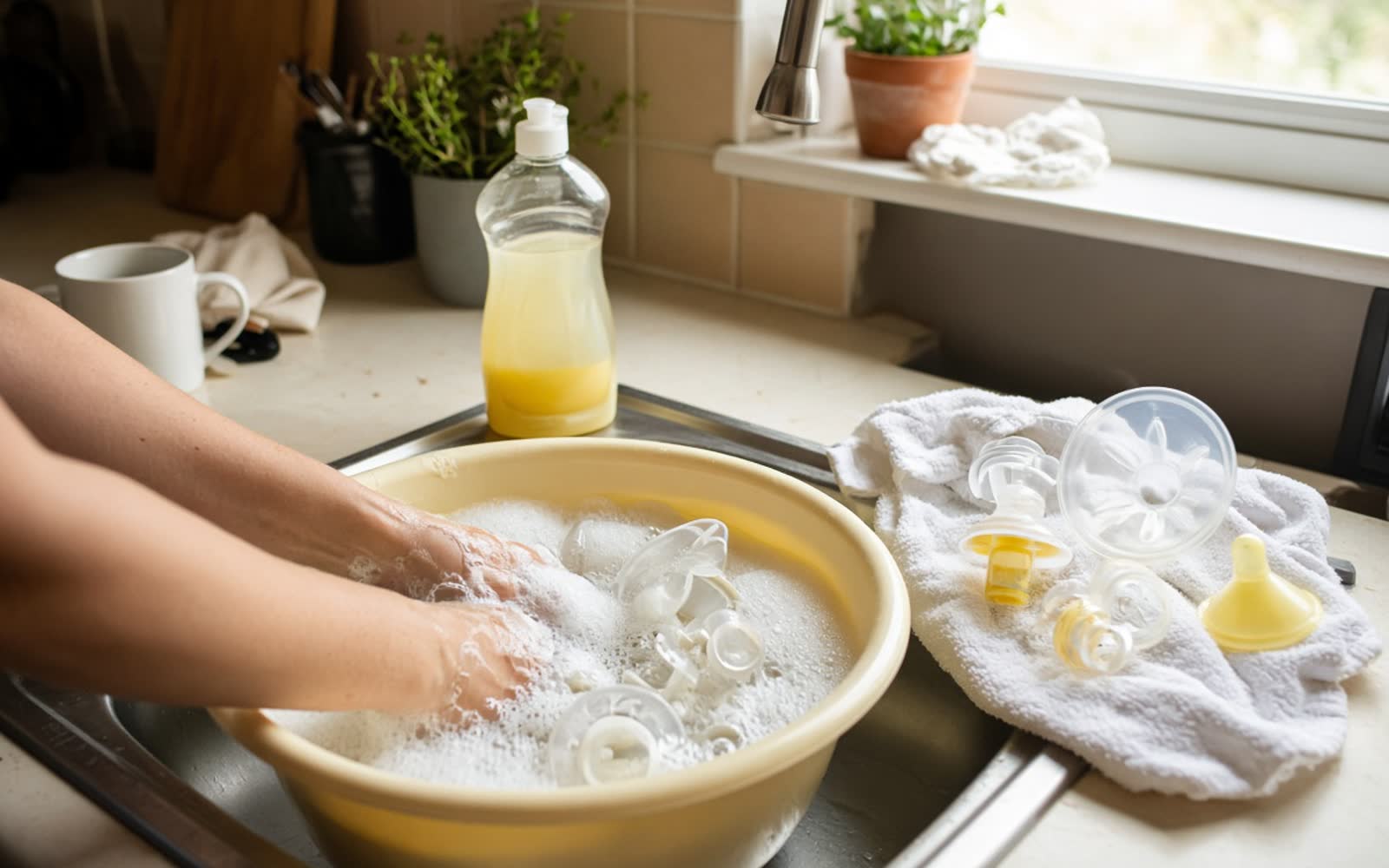
Selling regularly without registering is a criminal offence. We're not saying that to frighten you; it's the single sharp corner in an otherwise soft piece of law, and it makes this the cheapest legal obligation you'll ever meet: on one side a free form, on the other an offence. Twenty minutes settles it forever.
"But the other sites never mentioned this"
Because the duty follows the activity, not the website. Sell through a classifieds site, a Facebook group or the school gates and the law reads it exactly the same. The old milk classifieds have never told their UK sellers any of this, and most of those sellers have no idea – which tells you something about how much those venues think about the people doing the selling. When MilkMom opens in the UK, this registration is part of signing up: pre-filled where we can, walked through where we can't, hygiene badge at the end.
In the US: there's nothing to register
No federal registration exists for selling your own milk, and no state issues a permit for it. The FDA publishes advice on informal milk sharing – worth reading – but there is no form behind it. American sellers can skip straight to the parts that actually protect people: honest disclosure and a cold box packed properly.
Common questions
Do I need to register to sell breast milk in the UK?
If you sell regularly, yes. UK law asks anyone selling food “regularly and as an organised activity” to register with their local council, even from home and even online. Clearing out a single freezer stash once is not really running a food business, but the form is free and takes twenty minutes, so the boring advice is to register anyway and never think about it again.
How much does it cost to register?
Nothing. There is no fee for registration. The only optional cost worth considering is a Level 2 Food Hygiene certificate, around £15 and done online in an afternoon, which is never required and tells buyers you took the craft seriously.
Can the council refuse my registration?
No. Refusing a registration is not a power they have. Registration is not a licence and not a test: nobody assesses your kitchen before you may begin. You are telling them you exist.
What do I write in the “nature of business” box?
Plain words in your own voice. Something like: sale of my own expressed breast milk, frozen at home and sold online, posted or collected locally. Do not dress it up and do not hide it. The honest sentence is the correct one.
What happens after I register?
Usually not much. The environmental health team may get in touch and may arrange a visit to give you a food hygiene rating. Home-based, low-risk businesses get the light-touch version, and the visit is best treated as free coaching from someone who looks at kitchens for a living.
What happens if I sell without registering?
Selling regularly without registering is a criminal offence. That is the single sharp corner in an otherwise soft piece of law, and it makes this the cheapest legal obligation you will ever meet: a free form on one side, an offence on the other.
Do I need to register in the US?
No. There is no federal registration for selling your own milk and no state issues a permit for it. The FDA publishes advice on informal milk sharing, but there is no form behind it.