Guides › Legality
Is it legal to sell breast milk?
Yes. In the US and the UK, selling your own milk is legal. It's the question almost every curious mom checks before anything else – so here's the honest two-minute version, and then you can get back to the interesting parts.
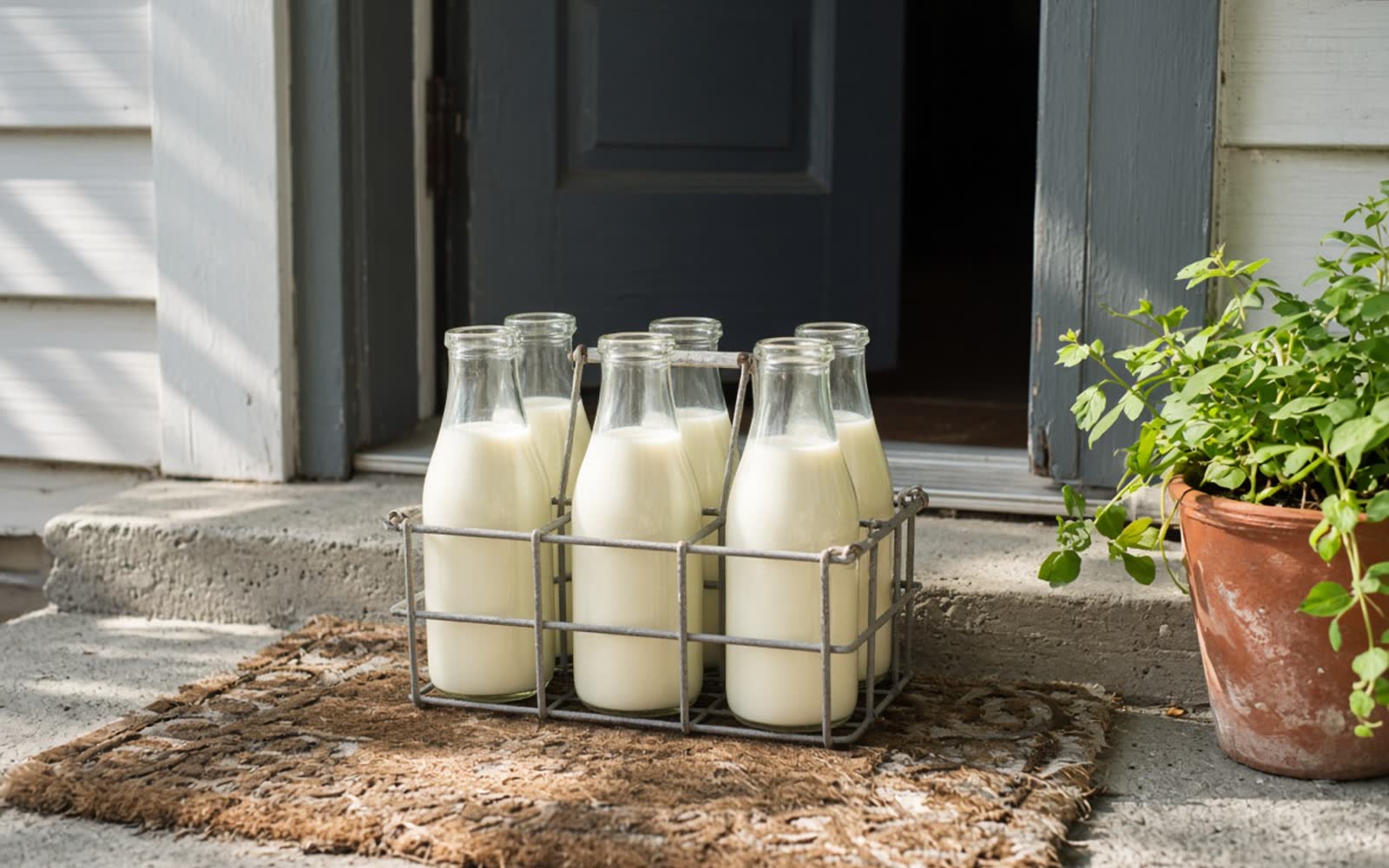
Can you legally sell your breast milk? Yes. It is legal in the United States and in the United Kingdom. No federal law forbids it in the US and no state bans private sale between adults. In the UK it is legal and treated as food, which means a mother who sells regularly registers as a home food business with her council: free, about twenty minutes, and the council has no power to refuse her.
There is no licence to obtain and nobody whose permission you need. The lines that do exist are about honesty rather than permission. Somewhere else in the world? The answer changes, sometimes completely, and the country-by-country list has it.
In the United States
There's no federal law against selling your own breast milk, and no state bans private sale between adults. The FDA publishes advice about the risks of informally shared milk – advice worth reading, and the reason honest disclosure and careful handling matter so much – but advice is what it is. You don't need a licence, a permit, or anyone's permission to sell milk you produced.
In the United Kingdom
Also legal. UK law treats human milk as a food, which is genuinely good news: food law is a known, ordinary world, not a grey one. The practical effect is that a mom selling regularly counts as a small home food business – the same category as someone selling sourdough on Etsy – which involves one free, simple registration with your local council before you start trading. No inspection gate to pass first, no fee, no drama; tens of thousands of home bakers and jam-makers do it every year. When MilkMom opens in the UK, we'll walk first sellers through that form step by step.
The lines that do exist
- Sell honestly. Misrepresenting what you're selling – watered milk, wrong dates – is where ordinary consumer law bites, in both countries. (It's also the fastest ban on MilkMom.)
- No medical claims. Your milk is milk. It doesn't cure anything, and saying otherwise invites regulators for no benefit.
- Income is income. Taxable in both countries; UK sellers get the first £1,000 a year under the trading allowance.
Common questions
Is it legal to sell breast milk in the US?
Yes. There is no federal law against selling your own milk and no state bans private sale between adults. The FDA publishes advice about the risks of informally shared milk, which is worth reading, but advice is not law. You do not need a licence, a permit or anyone's permission.
Is it legal to sell breast milk in the UK?
Yes. UK law treats human milk as a food, so a mother selling regularly counts as a small home food business and registers with her local council before she starts trading. It is free, there is no test, and registration cannot be refused. The walkthrough is here.
Do I need a licence to sell my breast milk?
No. UK registration is not a licence and not a test: no fee, no inspection to pass before you begin. In the US there is nothing to register at all.
Do I have to pay tax on breast milk I sell?
Yes, in both countries milk money is income. Keep simple records from your first sale. UK sellers get the trading allowance, which makes the first £1,000 a year of casual sales income tax-free.
Is it legal to buy breast milk?
Buying is not prohibited in either country either. What changes with buying is the handling: milk is a raw food, so the seller's honesty and an unbroken cold chain are what protect you. Buying with open eyes covers it. For a premature or medically fragile baby, an accredited milk bank comes first.
Is it legal to sell colostrum?
Yes – human colostrum is human milk in the eyes of food law, and the alarming search results are dairy rules about cows. The fuller story, including why we would usually talk you out of selling it, is in the colostrum guide.