Guides › The vocation
The return of the wet nurse
For most of recorded history, feeding another family's baby was a profession – skilled, respected, and paid. It's coming back, changed in exactly the ways that matter: this time she works from her own kitchen, on her own terms.
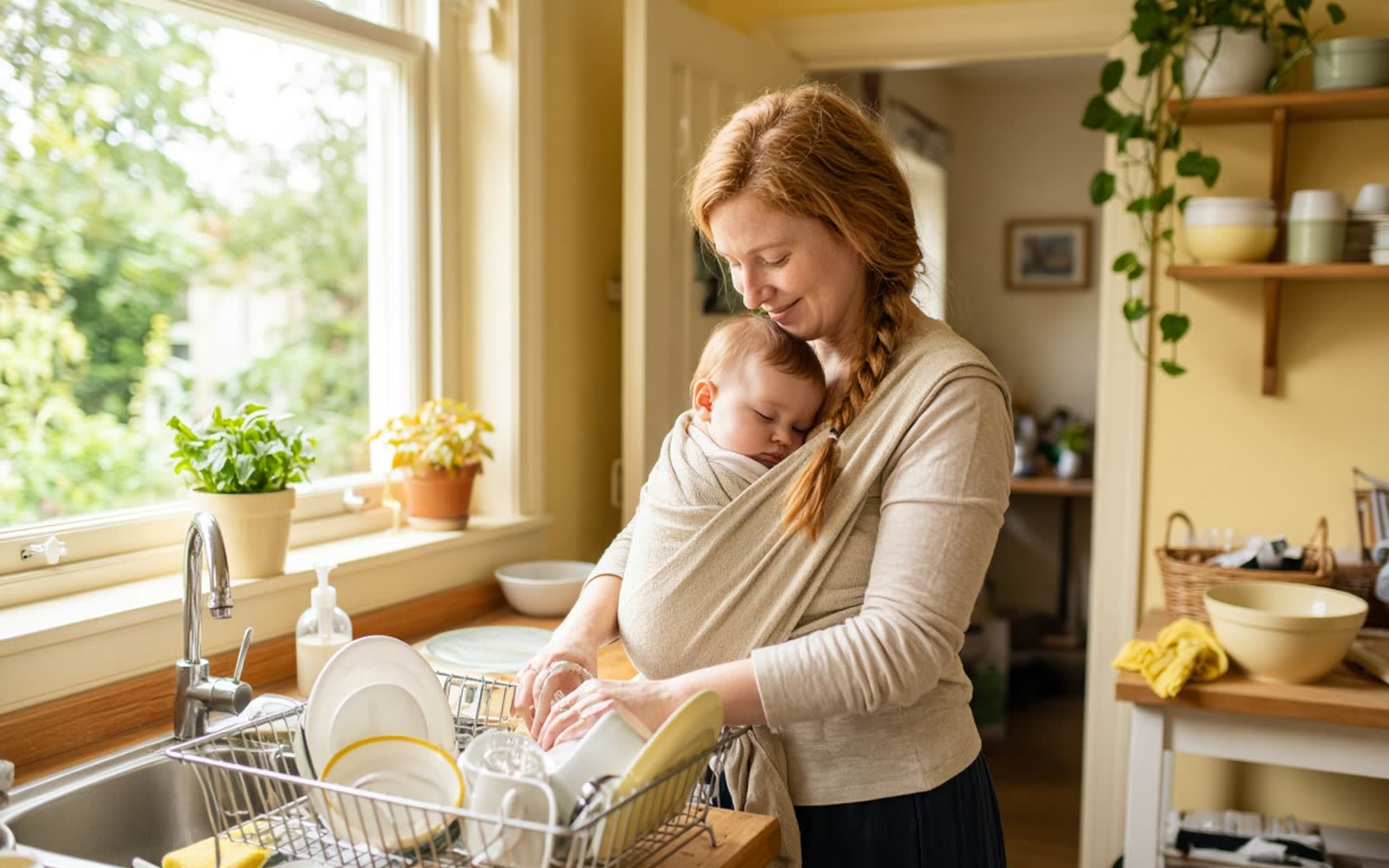
It was always a job
Ancient Rome wrote wet-nursing contracts. Medieval courts and parishes appointed wet nurses the way they appointed midwives; royal households gave them rank, wages and pensions. A wet nurse was hired on her character, her health and her diet – vetted, in other words, by the ancestor of the disclosure sheet. The wage was never the shameful part. The wage was part of the respect: this was understood to be skilled work that mattered, and skilled work that matters gets paid. (The fuller history, and why the modern flinch is so recent, lives in Why does it feel weird?)
What ended it
Formula's century, mostly. Once the factory bottle became the default, the profession didn't fail so much as get outcompeted – and then, strangely, shamed in retrospect, as if the women who had done this noble work for five thousand years had been doing something odd all along. The skill didn't disappear. The venue for it did.
The return, transformed
The breast pump quietly rewrote the terms of the vocation. What once required taking another child to your breast – often in someone else's house, on someone else's schedule – can now be practiced from your own kitchen: your pump, your freezer, your prices, your choice of who you supply. The intimate labour became sovereign labour. That's not a lesser version of the old profession. It's the version the old professionals would have chosen.
And it is genuinely skilled. A modern milk seller runs hygiene discipline a food inspector would nod at, manages supply like a smallholder, keeps records, packs a cold chain that lands frozen two days later, and holds a reputation built one delivery at a time. To be plain about scope: MilkMom is a marketplace for expressed milk – the modern form of the vocation – and that's the whole of it.
Noble, and good for all
Follow where the milk goes. A baby whose mother can't produce enough gets the food built for humans. An adoptive or surrogacy family gets a path that used to require luck and whisper networks. A mother's 3am labour is honoured with actual money instead of a drain. And a substance that took real work to make stops being poured away. It's hard to name another exchange where every party leaves better off and the only thing defeated is waste.
The first cohort
Every returning profession has a first class – the ones who take it up while it still takes nerve. That's what the first sellers are: the first cohort of modern wet nurses, a year without fees, and a say in the standards while they're still being set. Guild membership, in the old language.