Guides › Pricing
How much is breast milk worth?
The honest range: peer-sold milk typically goes for $1.50 to $4.50 per ounce in the US, and roughly £1.20 to £3.50 per fl oz in the UK. Where you land inside that range comes down to four things, and every one of them is in your control.
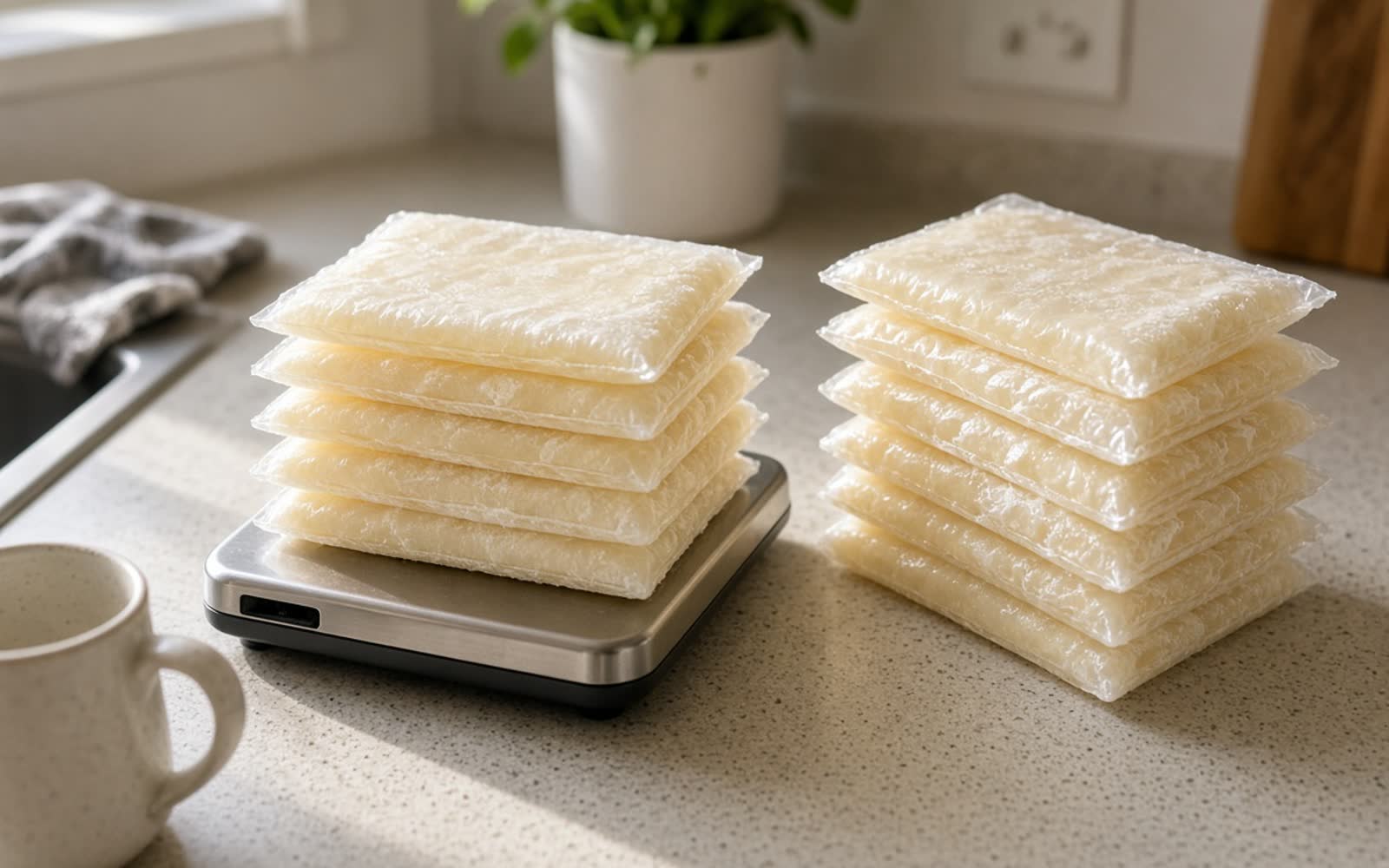
The short answer: peer-sold breast milk usually goes for $1.50 to $4.50 an ounce in the US, and roughly £1.20 to £3.50 per fl oz in the UK. A 100 oz weekly surplus – three litres – is somewhere between $150 and $450 a week; a 300 oz freezer stash, nine litres, runs from several hundred dollars to over a thousand.
Four things decide where you land inside that range, and all four are in your control: freshness, screening, track record, and volume. Milk banks and commercial buyers pay far less or nothing at all, because they pasteurise, test and resell at their own cost.
Rather see your own number? Put your stash into the calculator – it shows what your milk is worth today, and what the same milk earns once you have a track record.
The four things that move the price
| Factor | Effect |
|---|---|
| Freshness | Fresh, pumped-this-week milk tops the market. Frozen stash sells at a discount that deepens with freezer age – milk keeps best quality about six months deep-frozen, and buyers know it. |
| Screening | Sellers who can show a recent blood panel – the same one milk banks require – reliably charge more. The premium usually pays for the test within a listing or two. |
| Track record | A rating built on real completed sales is the strongest price lever there is. New sellers start lower, deliver well, and reprice. |
| Volume & reliability | Bulk moves cheaper per ounce; a dependable weekly supply commands a standing-order premium. Both are worth having – they're just different products. |
One price rumour worth retiring on the way past: colostrum. The first milk is famous for research-catalogue prices that no individual seller is ever offered – the whole colostrum story is here – and everyday sales of early milk price like milk.
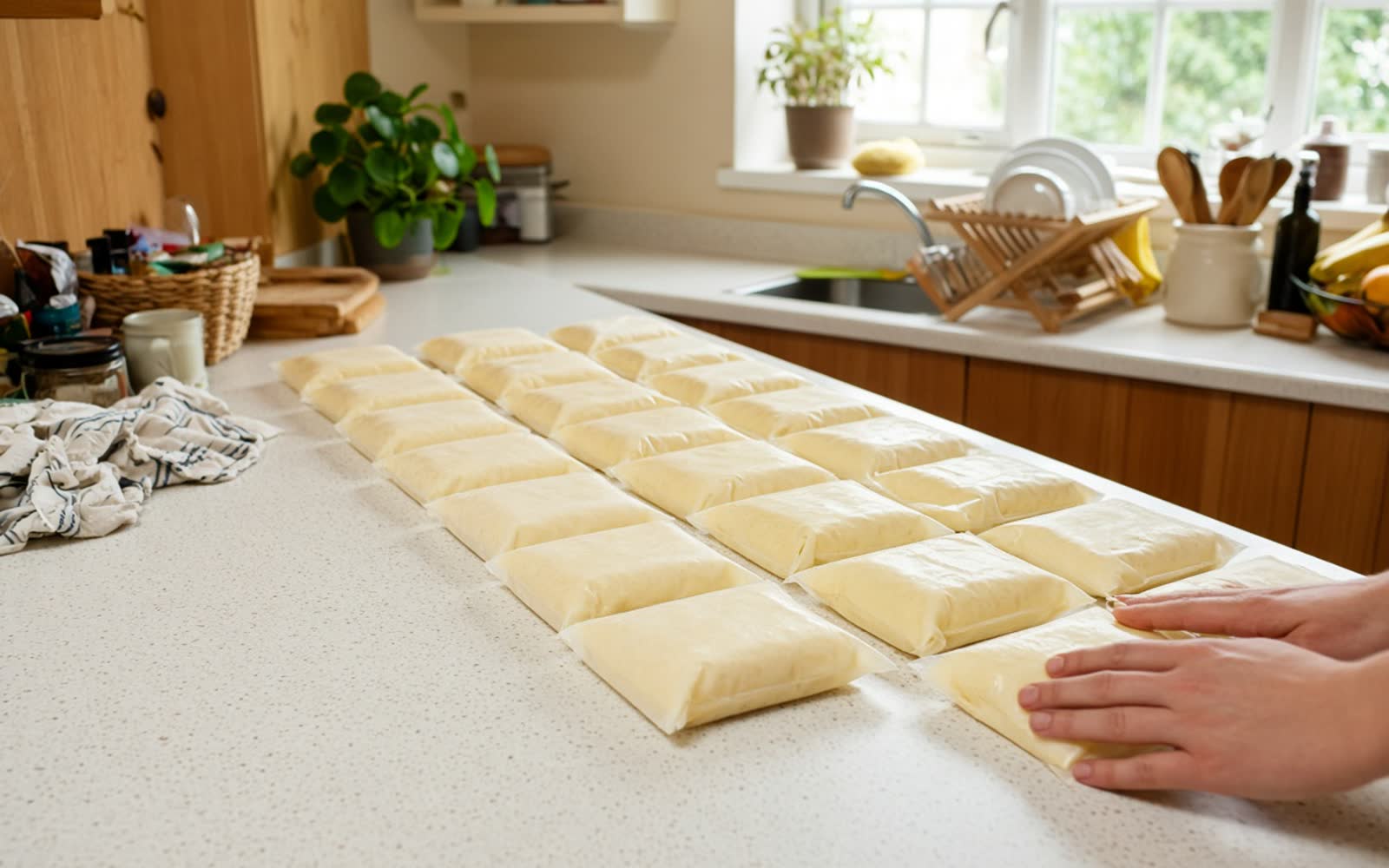
A sensible pricing path for a new seller
- Start near $1.50/oz (or about £1.20 per fl oz) for your first few sales – you're buying your rating cheap.
- Deliver impeccably: honest disclosure, dated bags, an unbroken cold chain. Our shipping guide is the whole trick.
- Reprice at five good reviews. Screened, fresh-weekly sellers with a track record sit at the top of the range and stay there.
What about taxes?
Milk money is income in both the US and the UK. Keep simple records from your first sale. UK sellers get one pleasant surprise: the trading allowance means the first £1,000 a year of casual sales income is tax-free.
Common questions
How much can I sell my breast milk for?
Between $1.50 and $4.50 an ounce in the US, about £1.20 to £3.50 per fl oz in the UK. Fresh milk from a screened seller with a rating sits at the top of that range; an unscreened new seller with older frozen milk sits at the bottom.
How much is 100 ounces of breast milk worth?
Roughly $150 to $450, or £120 to £350, for three litres. That is also about the smallest amount worth shipping, since 100 to 200 ounces – three to six litres – fills a box properly and covers the packing and postage comfortably.
Why do milk banks pay so little, or nothing?
Because they are doing the expensive part. A bank screens donors, pasteurises and batch-tests, then supplies neonatal units. Non-profit banks do not pay donors at all. That is a different transaction rather than a worse one, and for a fragile baby it is the better one.
What price should I start at as a new seller?
Near $1.50 an ounce, or about £1.20 per fl oz, for the first few sales. You are buying your rating cheaply. Deliver well, then reprice at about five good reviews, when a track record starts doing the selling for you.
Does frozen milk sell for less than fresh?
Yes, and the discount deepens with freezer age, because buyers know milk holds best quality about six months deep-frozen. The storage clocks are what they are pricing against.
Do I pay tax on the money?
Yes. It is income in both the US and the UK. UK sellers get one pleasant surprise: the trading allowance means the first £1,000 a year of casual sales income is tax-free. Keep records from sale one either way.