Guides › Screening and testing
Breast milk donor screening: which tests, how often, and what they prove
Buyers ask for it, sellers wonder whether they need it, and almost nobody explains what the tests actually are. Here they are, with prices, timings, and a straight account of what a clean result does not tell you.
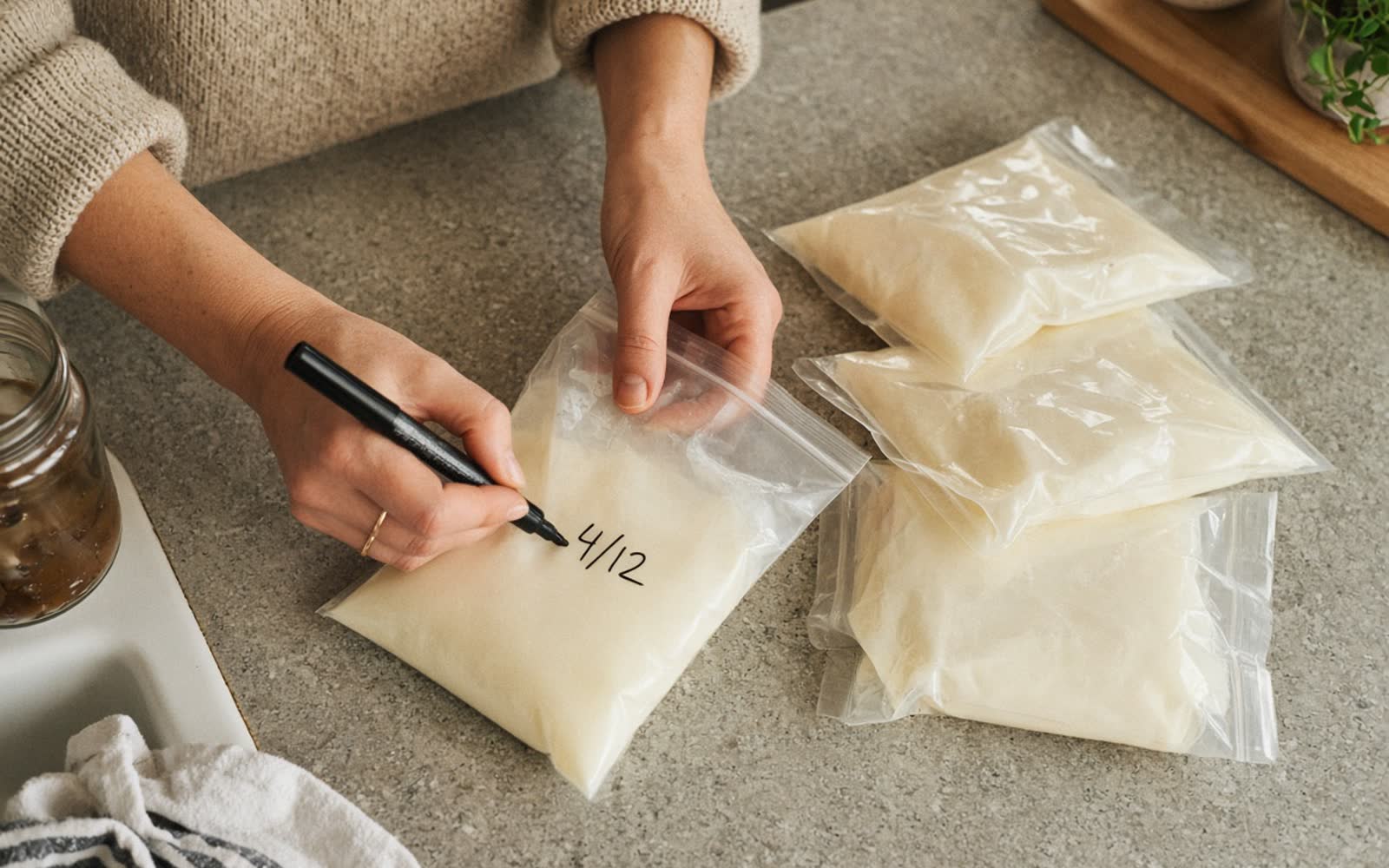
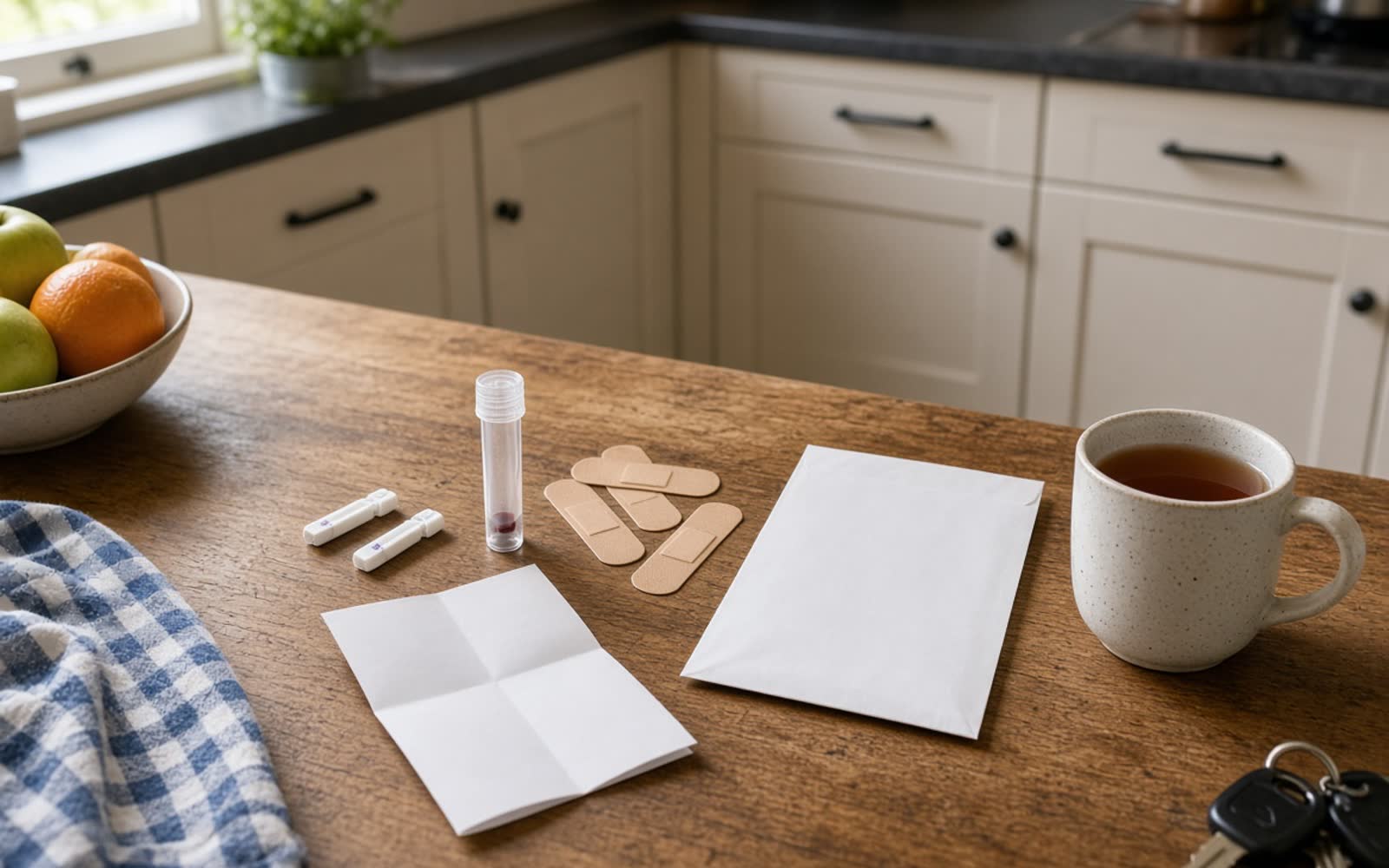
Which tests? The same five a milk bank screens its donors for: HIV, HTLV, hepatitis B, hepatitis C and syphilis. No law requires them for peer selling in the UK or the US, so screening works as a market signal and never as a gate – but it is the single thing buyers ask about most, and the working convention is to repeat it every six months.
The five tests
Accredited milk banks on both sides of the Atlantic screen a donor's blood before they will take her milk, and the panel is the same in outline: HIV, HTLV, hepatitis B, hepatitis C and syphilis. HTLV is the one most people have never heard of – a virus that can pass through milk, which is exactly why milk banks include it and general sexual-health checks usually don't.
The good news for anyone selling or buying peer-to-peer is that you do not need a bank, a referral or a hospital to get the same panel run.
- In the US, consumer-pay labs sell the whole thing as a single product, usually listed as a breast milk donor screening panel. No doctor's visit, results in about four business days.
- In the UK it usually takes two orders. Home-kit labs cover HIV, hepatitis B, hepatitis C and syphilis from around £40, and HTLV is ordered separately, typically £30 to £80, because routine UK screening does not include it. It is a mild nuisance, easily handled once you know, but it catches people out – a standard sexual-health panel is not the donor panel.
Milk banks pair the bloods with a health and lifestyle questionnaire, and so should any private arrangement. The questionnaire is where medication, smoking and alcohol and recent travel live, and it is the part a seller can offer for free today.
 How to become a milk donor
Tap to play – nothing loads from YouTube until you do
How often, and why six months
A blood test describes the past. It says what was true of the person on the morning she gave the sample, and says nothing whatsoever about the weeks after. That is the whole argument for repeating it: a certificate from eighteen months ago describes a morning eighteen months ago. It says nothing about the milk in the freezer.
Six months is the working convention, and it is the renewal period we intend to hold sellers to. It is short enough to stay meaningful and long enough not to turn a kitchen-table arrangement into a medical regime.
Testing the milk itself is a different question
You can send milk to a lab as well as blood, and it is worth knowing what each answer is worth, because the two get blurred constantly – sometimes by people selling the tests.
- Composition analysis reports calories, fat, protein, and depending on the panel, fatty acids or minerals. It is genuinely interesting, and for a baby with growth concerns it can matter. It is nutrition information, and it should never be read as a safety result.
- Bacterial culture describes the sample that went to the lab, and only that one. The bag beside it, the rest of the batch and next month's milk are all outside what it reports. Milk banks culture because they pool, pasteurise and then test the pooled product; a single culture from a private freezer is a much weaker claim than it sounds.
Which brings up the honest difference between a bank and a private sale: banks pasteurise, and peer selling does not. That is a real gap and we are not going to talk around it. What closes most of the practical distance is handling – speed into the freezer, an unbroken cold chain, honest dates – which is the subject of the safety article, and of the shipping guide.
What a clean result doesn't prove
This is the section we would leave out if we were selling you something.
- Window periods. Every test has a stretch of recent time it cannot see. A negative result speaks for a settled past. It has nothing to say about last week.
- It tests the mother, not the milk. Everything that happens after she expresses – cooling, freezing, storage, the journey to you – is untouched by a blood panel.
- It cannot prove the milk is hers. A certificate and a bag of milk are two separate objects. What ties them together is identity, reputation and a seller who expects to sell to you again, which is why we build those in and treat a PDF as one input among several.
- Human milk sold between people is a raw food. Screening reduces risk. It does not remove it, and nobody honest will tell you otherwise.
And the line we hold throughout: we write about mechanics, logistics, money and decisions. We do not interpret results. A positive or an unclear result belongs with a doctor. We are a website – and if what you need is lactation help, the people who do it properly are listed on the breastfeeding help page.
What MilkMom will do
Plainly: none of this is live yet. MilkMom has not opened, so there is no badge to earn and nobody to verify. Here is the design we are committed to, written down now so you can hold us to it later.
- Dated, and it expires. A screening badge carries the date of the panel and expires at six months. An expired badge stays visible and says so, because a lapsed check that vanishes from a listing reads to a buyer as a seller who was never checked at all.
- Verified against the lab's own paperwork. A seller uploads the lab result and we check it before the badge appears. Ticking a box is not screening.
- Optional, always. It is a market signal, and nothing on MilkMom is gated behind it. Plenty of good sellers will choose not to screen, and buyers are free to weigh that – along with dates, disclosure and rating history – exactly as they weigh everything else.
- The seller owns her results. We verify a result and display a status. The file stays hers, and we never sell or share health data.
- Never a safety guarantee. The badge will say what it means and no more. If we ever catch ourselves implying that a screened seller is a risk-free seller, that is a bug, and we will fix it.
Two things are still open, and we would rather say so than pretend the plan is finished. We are working out whether sellers pay for their own panels or whether we sponsor them for founding sellers, and we are talking to labs about verifying results at source, so a seller need not email us a document at all. Batch testing of the milk itself sits further out, and only if we can describe honestly what it does and does not prove.
Selling soon? What you can do now
Nothing here needs MilkMom to exist. You can book the panel today, and the certificate is yours whoever you end up selling through – it is a piece of paper about your health, and no platform owns it. When we open, uploading it is a two-minute job: we check the document, the badge appears on your listing with the date of the panel on it, and it renews every six months.
Sellers who arrive with a recent panel already in hand will be the first to carry one, and screened sellers sit at the top of the price range – the pricing logic explains why. If you would rather wait and see whether it is worth the money, that is a completely reasonable call: it stays optional for as long as MilkMom exists.
Common questions
What tests do milk banks screen donors for?
HIV, HTLV, hepatitis B, hepatitis C and syphilis, plus a health and lifestyle questionnaire. Accredited banks in the UK and US work from the same short list.
Do I need a blood test to sell my milk?
No. Nothing in UK or US law requires screening for peer selling. Buyers value it and it moves the price, so treat it as money spent on your listing – the pricing logic is in what breast milk is worth.
What does it cost?
In the US, one consumer-pay order covers the panel, no doctor's visit, results in about four business days. In the UK, expect two orders: a home-kit panel from around £40, plus HTLV separately at roughly £30 to £80.
How often should I repeat it?
Every six months. A blood test describes the day it was taken, so an old certificate has stopped describing anything current.
Can I test the milk instead?
You can, but it answers a different question. Composition analysis reports calories, fat and protein and says nothing about safety, and a bacterial culture only describes the sample that went to the lab.
Does screening make the milk safe?
It makes it safer, and it proves a seller is willing to be checked. It does not make it sterile – this is a raw food, and handling still decides most of the outcome. The honest version of the risk picture is here.
I'm buying – what should I actually ask for?
Dates on every bag, an honest disclosure sheet, a described cold chain, and a screen if the seller has one. The full checklist is in buying breast milk safely.