Guides › Buying
Buying breast milk safely
Human milk is a raw food from another person's body. Bought with open eyes – vetted seller, honest disclosure, unbroken cold chain – it's how thousands of families get by. This page is the open-eyes part.

The short answer: vet the seller before the milk. Track record first – rating, completed sales, account age – then the disclosure sheet, then screening if she has it, then your own questions. A 4.9 across sixty sales is evidence; a perfect score across two is a coin toss.
At home: milk should arrive frozen solid, thaw in the fridge, and be used within 24 hours. Never microwave it. If you are feeding a baby, consider pasteurising.
Vet the seller before the milk
- Numbers first. Track record beats vibes: rating, completed sales, response time, account age. A 4.9 across sixty sales is evidence; a perfect score across two is a coin toss.
- Disclosure second. Diet, caffeine, alcohol, smoking, medications, pump hygiene, freezer dates. A seller who answers before being asked is telling you something; so is one who won't answer at all – and what each answer means, from smoke to prescriptions, has its own guide.
- Screening, if she has it. A health screen is optional for peer selling and plenty of good sellers skip it, but if a seller offers one, know which five tests it should cover and what a clean result does not prove.
- Questions last. How fast does milk reach the freezer after pumping? Chest freezer or fridge-top box? Ever thawed and refrozen? Good sellers enjoy these questions – they're proud of their answers. The numbers behind them are in how long breast milk keeps.
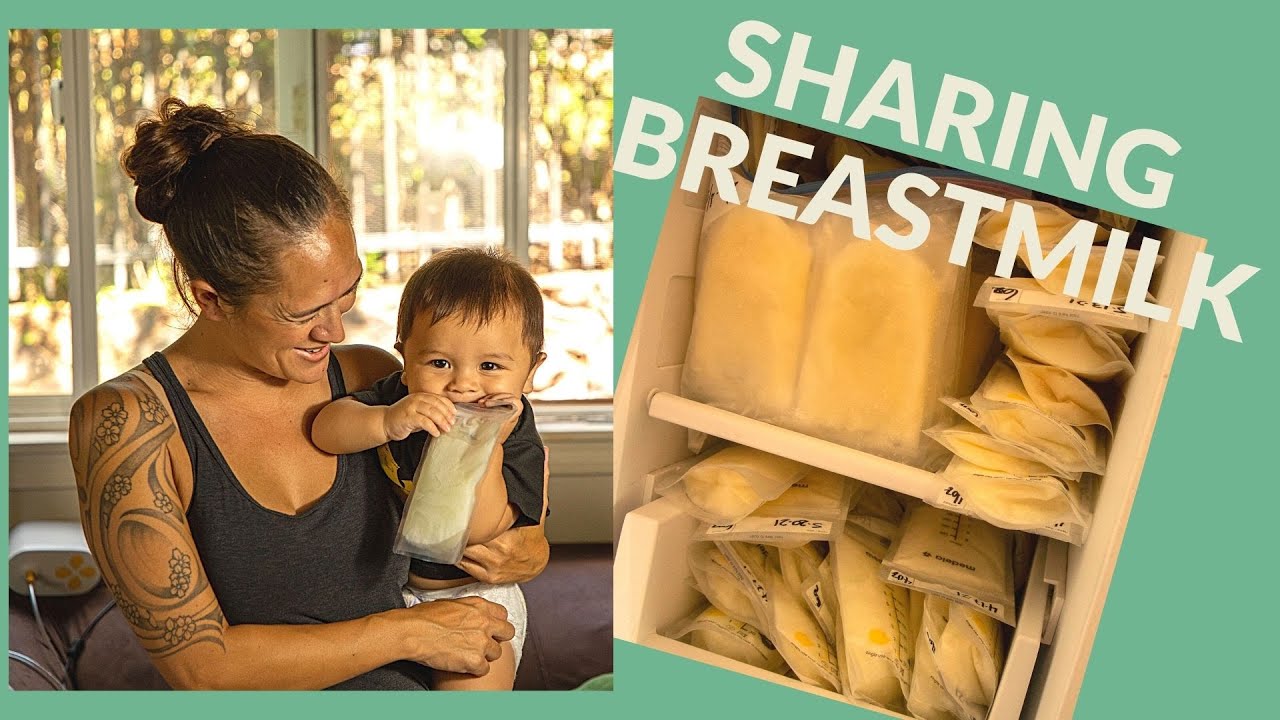 Donor Human Milk: What to Consider When Sharing Breastmilk
Tap to play – nothing loads from YouTube until you do
Handle it right at home
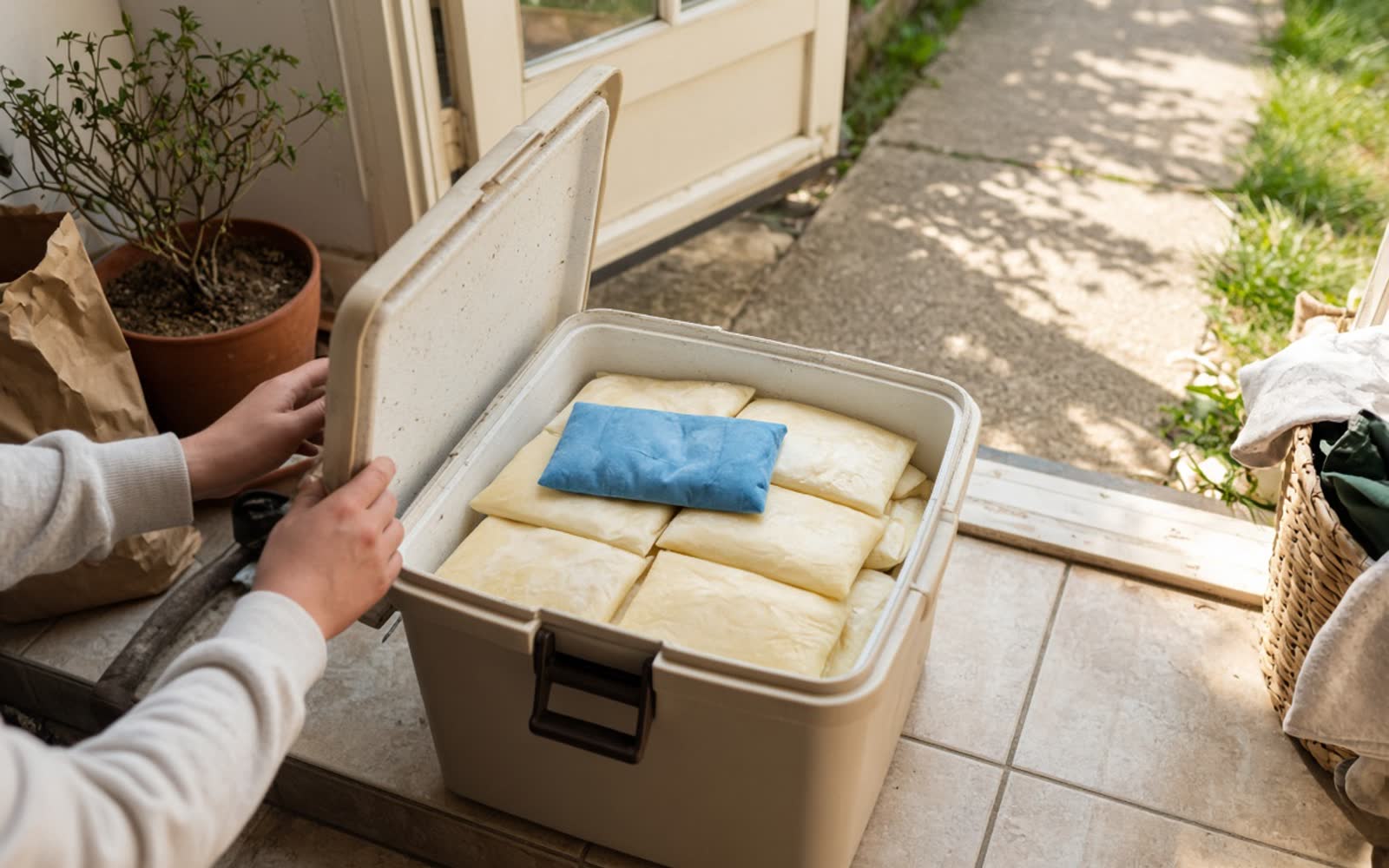
- Milk should arrive frozen solid (frosty-firm with ice crystals throughout still counts). Thawed on arrival means don't feed it to anyone – photograph and raise it with the seller or platform.
- Thaw in the fridge and use within 24 hours. Never microwave – heat destroys good components and creates hot spots.
- Deep-frozen milk keeps best quality about six months; check bag dates against the listing when the box is still open.
- Feeding a baby? Consider pasteurizing. Flash-heating, step by step – a glass jar in a pan of water, out the moment it boils – is a calm ten-minute job, and it removes most of what disclosure can't catch.
Spot the scams
- Off-platform payment is the tell. Wire transfers, gift cards, "just send it as friends and family" – no legitimate seller needs any of them. Pay through systems that hold money until delivery, or through methods with real dispute rights. On MilkMom that is written down as a policy, before the first order.
- Too-cheap milk on a day-old account with catalogue-looking photos: walk away.
- Pressure is a red flag anywhere.
On MilkMom, most of this page becomes structural: sellers are ID-verified, disclosure is a locked sheet on every listing, payment is held until you confirm delivery, and ratings only come from completed sales. The judgment stays yours – the guesswork goes.
Common questions
How do I know a breast milk seller is genuine?
Numbers before vibes: rating, completed sales, response time, account age. Then the disclosure sheet, which a good seller offers before being asked. A seller who will not answer questions about diet, medication, pump hygiene or freezer dates has told you something useful.
What should I ask before buying?
How fast milk reaches the freezer after pumping, whether it is a chest freezer or a fridge-top box, whether anything was ever thawed and refrozen, and the pumping date on every bag. Good sellers enjoy these questions, because they are proud of the answers.
How do I know the milk arrived in good condition?
It should be frozen solid, or at worst frosty-firm with ice crystals throughout, which still counts as safely frozen. Check bag dates against the listing while the box is still open. Thawed on arrival means do not feed it: photograph it and raise it with the seller or the platform.
How do I thaw breast milk I have bought?
Overnight in the fridge, then use it within 24 hours and never refreeze it. In a hurry, hold the bag under lukewarm running water. Never the microwave: hot spots scald, and the heat destroys the live components that made the milk worth buying.
Should I pasteurise milk I have bought?
If you are feeding a baby, it is worth considering. Flash-heating – a glass jar of milk in a pan of water, lifted out the moment the water boils – is the home method from the medical literature, and it takes about ten minutes.
What are the scam warning signs?
Off-platform payment is the tell: wire transfers, gift cards, or “just send it as friends and family”. Also milk priced too cheaply on a day-old account with catalogue-looking photos, and any kind of pressure.