Guides › Where to buy
Where to buy breast milk
You have probably already discovered that searching this brings back a lot of alarm and very little information. So here is the practical version: four routes, what each one costs, who each one is really for, and how to tell a good seller from a bad one.
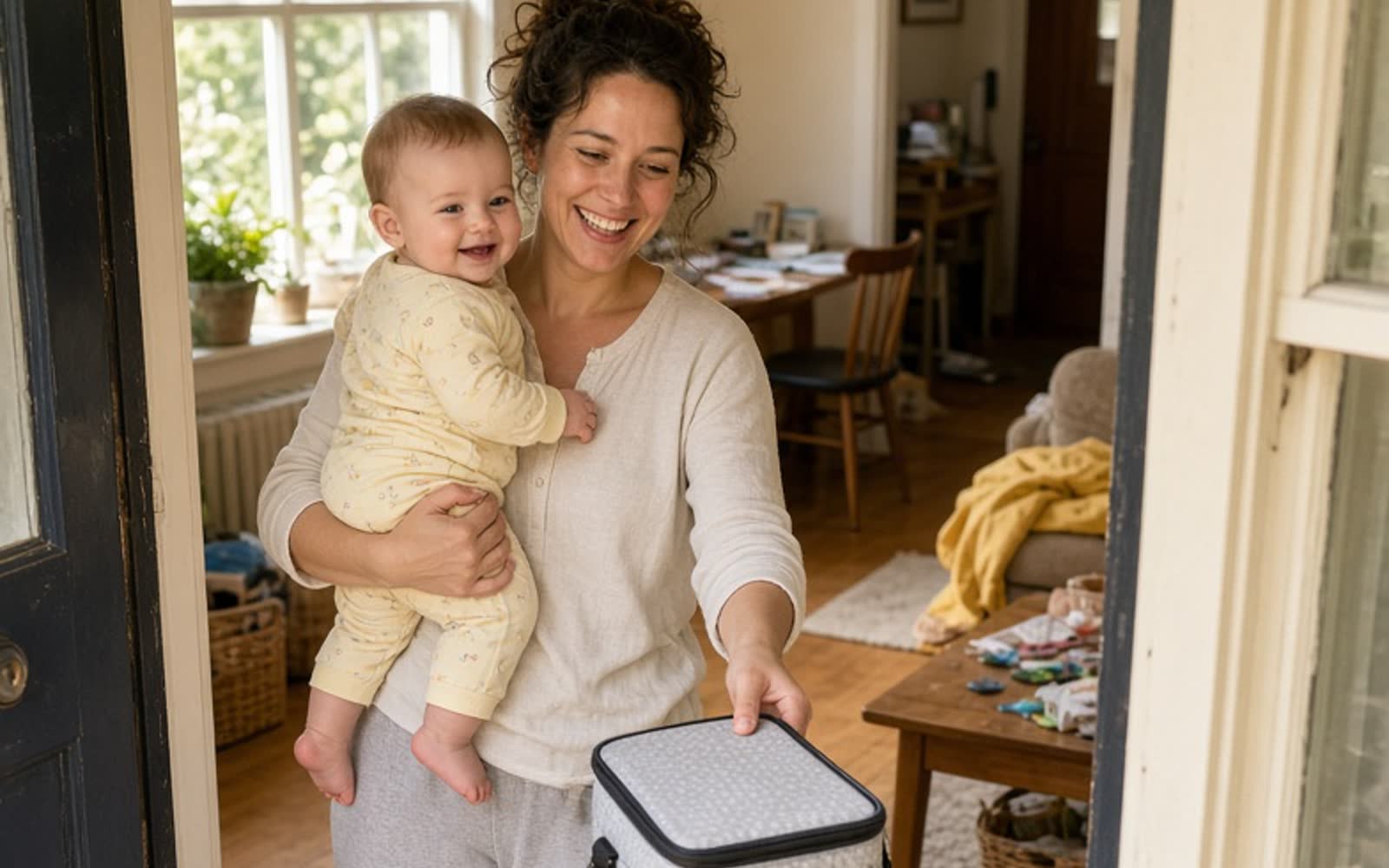
Four routes, and they are not interchangeable. An accredited milk bank, which comes first if your baby is premature or unwell. An informal sharing network, where milk is given and money never comes into it. A peer seller – another mother with more milk than her baby needs – which is what most people mean, and runs about $1.50–$4.50 an ounce (£1.20–£3.50 per fl oz). Or a commercial processor, which mostly supplies hospitals.
Start with a milk bank, if your baby might qualify
We say this before anything else on every page of this site, and we would say it even if it cost us every sale. If your baby is premature, very small, or medically fragile, the right milk comes from an accredited milk bank – screened donors, pasteurised, batch-tested, with a clinician involved. That is a genuinely different product from milk bought privately, and for a one-kilo baby the difference is the whole story.
Banks prioritise babies in neonatal care, and the request usually travels through a hospital. Some release milk to families outside hospital when they have enough, so ask: your midwife, health visitor, paediatrician or the neonatal unit will know what your local bank does. If the answer is yes, take it. If the answer is no, you have not done anything wrong by looking elsewhere – most families who buy milk are here because a bank said no, because they adopted, or because their own supply did not turn out to be enough.
Banks, sharing and selling, compared properly has the detail on how each one works.
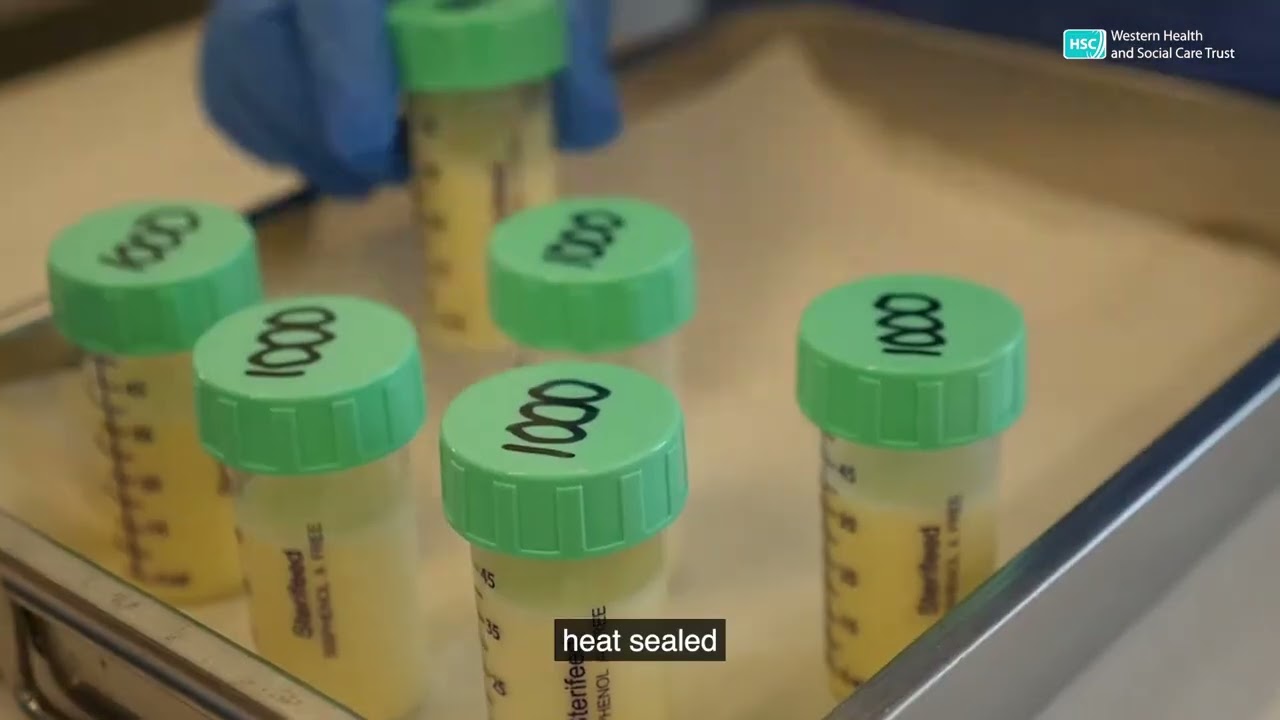 Human Milk Bank
Tap to play – nothing loads from YouTube until you do
Informal sharing: free, and not a marketplace
Milk-sharing communities have existed online for well over a decade. Human Milk 4 Human Babies and its cousins match mothers with spare milk to families who need it, locally and for nothing. It is a gift culture, and it works because it is a gift culture.
Two things follow from that, and both matter. First, do not offer money in those groups – it breaks their rules and, more importantly, it misreads the room; people there are giving something away and being offered cash for it lands badly. Second, sharing skips the screening and pasteurisation a bank does, so everything rests on the honesty between two people. That is not a criticism. Plenty of families are fed this way and it goes beautifully. It just means the questions in the vetting section matter every bit as much when nobody is paying.
Buying from another mother
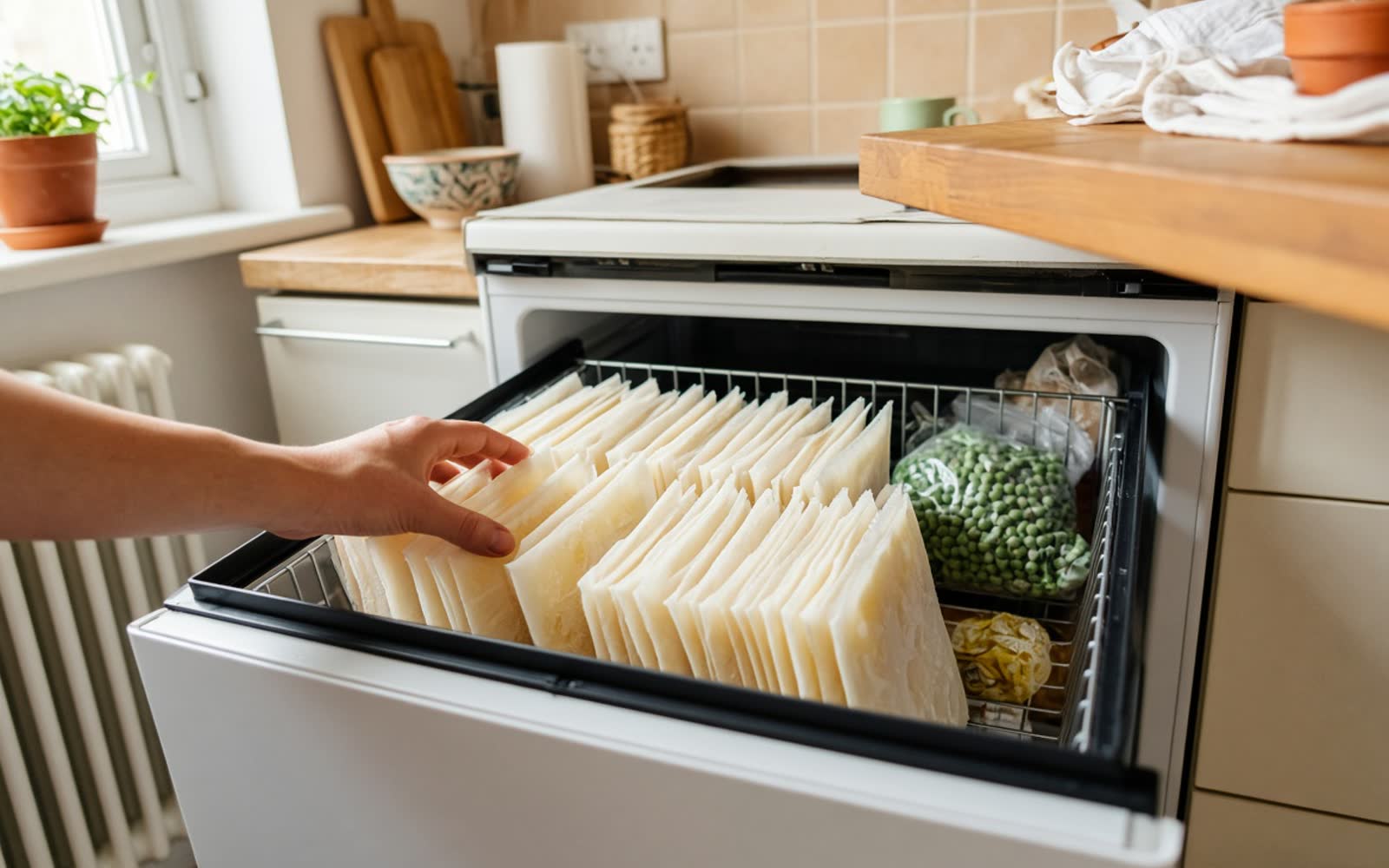
This is what most people mean, and it is the least written-about of the four. Somewhere near you is a woman with a freezer drawer she cannot close, milk her own baby will never drink, and a weaning date coming. She would rather it fed a baby than went down the sink, and she would not mind being paid for the pumping, the bags and the trip to the post office.
That is the whole transaction. It is legal in the UK and the US, the seller carries the food-business duties, and the milk is the least processed food a human can buy. Where it goes wrong is never the substance. It goes wrong in the handling: milk that sat warm, a box with no coolant, a seller who will not answer questions, a stranger in a car park with no name attached to anything.
Today most of this happens on classifieds-style sites and in parenting groups, which is exactly the venue the alarming headlines were measuring. The bacteria study everyone quotes, read properly, is a study of that venue.
What it actually costs
Peer milk runs $1.50 to $4.50 an ounce, about £1.20 to £3.50 per fl oz. Where a seller sits in that range comes down to freshness, screening, consistency and track record – the full logic is in what breast milk is worth, and how the price compares with formula is its own question, written for sellers but just as useful read from your side of the table.
Then there is getting it to you, which people forget to budget for:
- Local collection costs nothing and is the easiest to get right. Bring a cool bag and get it home fast.
- Posting frozen milk means an insulated box, gel packs and a next-day tracked service, and it is not trivial money. Bigger orders spread that cost, which is why buying 200 oz once – six litres – beats buying 50 oz four times.
- Dry ice comes up in American guides. It is classed as dangerous goods, couriers cap the weight and some counters refuse it outright, so most private sellers sensibly use gel packs and speed instead. Our shipping guide has the box recipe.
What to ask before you pay anybody
A good seller enjoys these questions. She is proud of her answers, and the way someone responds tells you more than the answers themselves.
- How fast does the milk get cold, and how has it been stored? Chest freezer or the box on top of the fridge? Ever thawed and refrozen? The clocks behind those answers are in how long breast milk keeps.
- Is every bag dated? Undated milk is not a bargain at any price.
- Will she give you a disclosure sheet? Diet, caffeine, alcohol, smoking, medications, pump hygiene. Someone who volunteers this before you ask is telling you who she is.
- Has she been screened, and when? No law requires it, so plenty of good sellers have not. If she has, the five tests and what they do and don't prove are worth five minutes of your time.
- How is it coming to you? Ask for the packing plan before the money, not after.
The longer checklist, including the scam patterns worth knowing, lives in buying breast milk safely.
Where we fit, since you asked
MilkMom is being built to make this ordinary: a listed price, a seller with a name and a rating, a disclosure sheet you can read before you commit, and your payment held until the milk arrives as described. We are not open yet, so today the honest answer is that the guides are the useful part. If you want telling when it opens, the buyer's side of the interest form takes ten seconds, and no explanation of why you want milk is ever required.
Common questions
Where can I buy breast milk?
Four routes: an accredited milk bank, an informal sharing network, a peer seller, or a commercial processor. Banks come first for premature and ill babies, sharing networks never involve money, and peer selling is what most families end up doing.
How much does it cost?
About $1.50 to $4.50 an ounce, £1.20 to £3.50 per fl oz, plus shipping if it is not local. Frozen postage is the cost people forget, which is why fewer, larger orders work out better.
Is it legal to buy breast milk?
Yes, in both countries. Milk is treated as a food and the seller carries the food-business duties. The two-minute legal version is here.
Could I get it from a milk bank?
Possibly, and it is worth asking before you buy. Banks prioritise babies in neonatal care and requests usually come through a clinician, but some release milk more widely when supply allows.
Is it safe?
Handling decides most of it, and the rest is honesty. Milk frozen fast, kept cold and described truthfully is a world away from an anonymous handover with no cold chain. It is still a raw food. The full picture, including the study, is here.
Can I buy if I am not a parent?
Adults do buy milk for themselves, and sellers differ on how they feel about that. On MilkMom each seller chooses who her listing is open to, so it is her call and never ours.